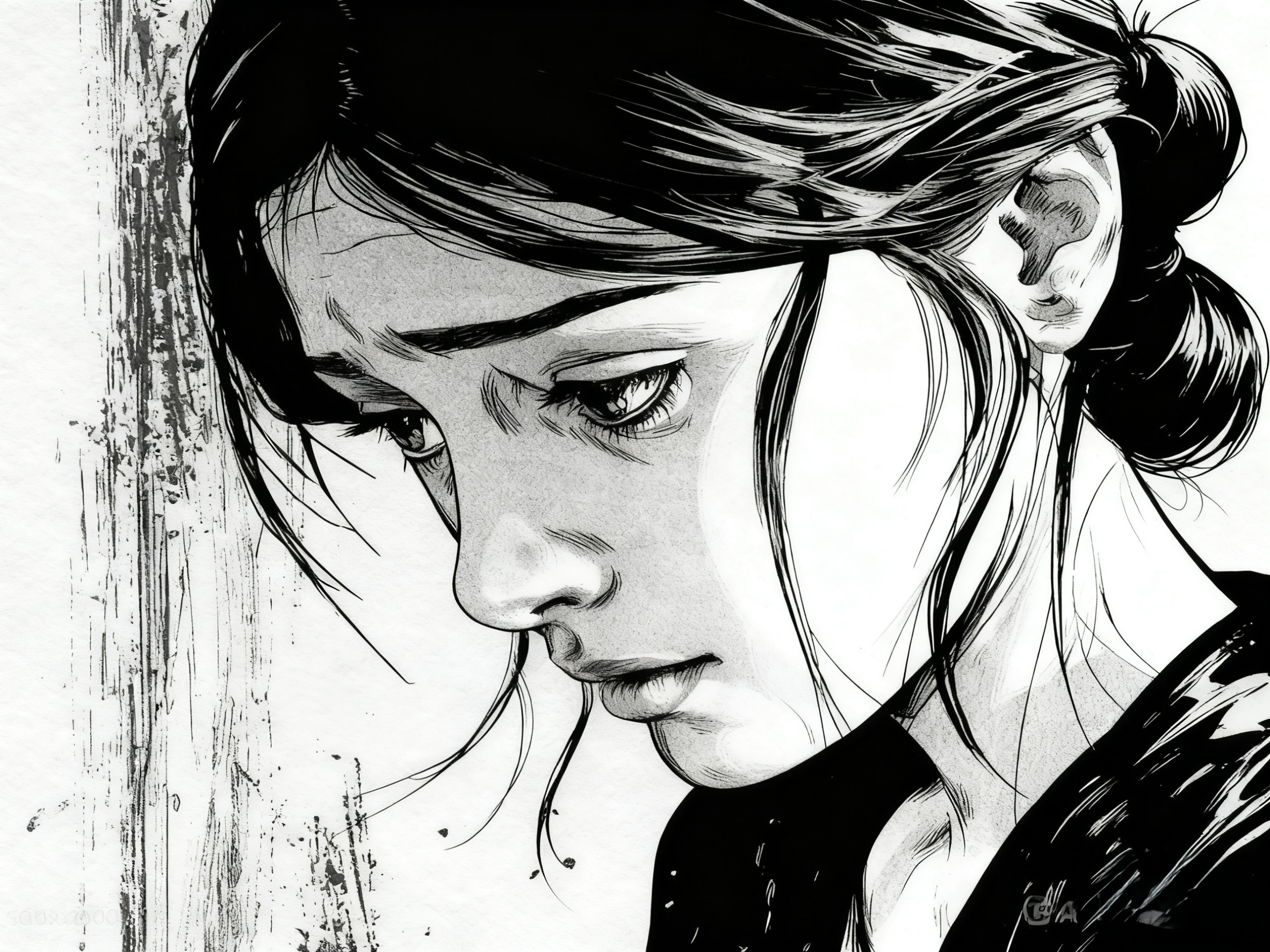

Every October, as the leaves change colour, a crucial national observance unfolds—Domestic Violence Awareness Month (DVAM). This month serves as a sombre reminder, a collective call to action, and a beacon of hope for millions. It is a dedicated time to raise public understanding about the pervasive reality of domestic violence, support survivors, honour those lost, and galvanise efforts towards prevention and intervention.
The Origins: From a Week of Unity to a National Movement
The roots of DVAM trace back to the grassroots activism of the 1980s. In 1981, the National Coalition Against Domestic Violence (NCADV) initiated the “Day of Unity.” The goal was simple yet profound: to connect advocates across the nation who were working tirelessly to end violence against women and their children. This single day aimed to foster a sense of solidarity and create a unified voice against a societal plague often shrouded in secrecy and shame.
This initial effort quickly gained momentum. In 1987, the first-ever national domestic violence toll-free hotline was established, and the NCADV spearheaded the first official Domestic Violence Awareness Month. A pivotal moment came in 1989, when the U.S. Congress passed a law designating October of that year as National Domestic Violence Awareness Month, a tradition that has been upheld ever since. The movement’s symbol, the purple ribbon, began to be widely distributed, becoming a silent yet powerful statement of support.
Understanding the Spectrum: What is Domestic Violence?
A core objective of DVAM is to educate the public on the complex and multifaceted nature of domestic violence. It is critical to understand that it extends far beyond physical bruises.
- Physical Abuse: This is the most visible form, involving acts like hitting, slapping, shoving, choking, or using weapons.
- Emotional and Psychological Abuse: This includes constant criticism, name-calling, humiliation, gaslighting (making someone doubt their own reality), and isolating a person from their friends and family. The scars are invisible but run deep.
- Financial Abuse: An abuser may control all access to money, forbid their partner from working, or sabotage their employment opportunities, creating economic dependency.
- Sexual Abuse: This involves any non-consensual sexual activity or coercion within an intimate relationship.
- Digital Abuse: In the modern age, abusers use technology to stalk, harass, and control. This can include monitoring social media, demanding passwords, sending threatening messages, and using GPS to track a victim’s location.
Domestic violence does not discriminate. It affects individuals of all ages, genders, sexual orientations, socioeconomic backgrounds, races, and religions.
Why DVAM Matters More Than Ever
In a world saturated with information, dedicating an entire month to this issue is vital for several reasons.
- It Breaks the Silence: Domestic violence thrives in isolation and silence. DVAM creates a mandated, public conversation that cuts through the noise. Media coverage, community events, and social media campaigns send a clear message to survivors: “You are not alone, and what is happening to you is not your fault.” This can be the first step for a victim contemplating seeking help.
- It Dispels Myths and Reduces Stigma: Common misconceptions—such as “it only happens to certain people,” “it’s a private family matter,” or “why don’t they just leave?”—are actively challenged during October. Education helps the public understand the complex dynamics of power, control, and the very real barriers (like fear, financial insecurity, and concern for children) that prevent victims from leaving.
- It Highlights Available Resources: DVAM serves as a massive public service announcement for life-saving resources. It promotes the National Domestic Violence Hotline, local shelters, legal aid services, and counselling programs. Many people may not know where to turn; this month ensures that information is readily available and highly visible.
- It Empowers Bystanders and Communities: By learning the warning signs of abuse, friends, family, co-workers, and neighbours can become empowered allies. DVAM provides education on how to approach a loved one you suspect is being abused, how to listen non-judgmentally, and how to connect them with professional help.
- It Drives Advocacy and Policy Change: The collective focus in October generates political will. It is a time when advocates lobby for stronger laws, increased funding for victim services, and improved protections for survivors. The unified voice of a nation paying attention can lead to tangible legislative changes.
How You Can Participate: From Awareness to Action
Awareness is only the first step; action is the goal. Here is how you can contribute during October and beyond:
- Educate Yourself and Others: Visit the websites of organizations like the NCADV, the National Domestic Violence Hotline (The Hotline), and Futures Without Violence. Share what you learn on social media using hashtags like #DVAM2024 and #Every1KnowsSome1.
- Wear and Display Purple: The colour purple symbolizes peace, courage, and survival. Wear a purple ribbon or clothing item to spark conversations and show your solidarity.
- Support Local Shelters and Programs: Donate money, essential items (like toiletries, pyjamas, or nappies), or your time. These organisations are often critically under-resourced.
- Listen and Believe: If someone confides in you about experiencing abuse, your most powerful tools are to listen without judgment, validate their feelings, and believe their story. Avoid asking “why” questions that can sound accusatory.
- Advocate in Your Community: Encourage your workplace, school, or place of worship to host a training session or information workshop on domestic violence.
A Message of Hope and Resilience
Domestic Violence Awareness Month is, at its heart, a testament to the resilience of the human spirit. It is about honouring the strength of survivors, remembering those who did not make it, and celebrating the advocates who have dedicated their lives to this cause. The path to ending domestic violence is long and arduous, but each conversation started, each victim supported, and each policy changed brings us closer to a future where every home is a safe haven.
This October, let us all commit to being part of the solution. Let us speak up, support survivors, and work towards a world free from violence. If you or someone you know needs help, please call the National Domestic Violence Hotline at 1-800-799-7233 or visit TheHotline.org. You are not alone.